The short answer
Give a young collector a way to examine, label and remember a find. A hand lens, divided storage box and notebook can be useful; photographs are the right collection where objects need to stay in place.
For the child who comes home with a pocket of stones, another unlabelled bag is rarely the missing piece. The next gift can help them see differences, remember where something came from and decide what should be left outdoors.
Rocks, leaves and living insects need different treatment. A storage box can suit permitted loose stones. A sketchbook or camera is a better way to keep a record of a living creature. Ask what the child likes about finding things before choosing an expensive next step.
Choose by use
What gift helps a child who already collects rocks?
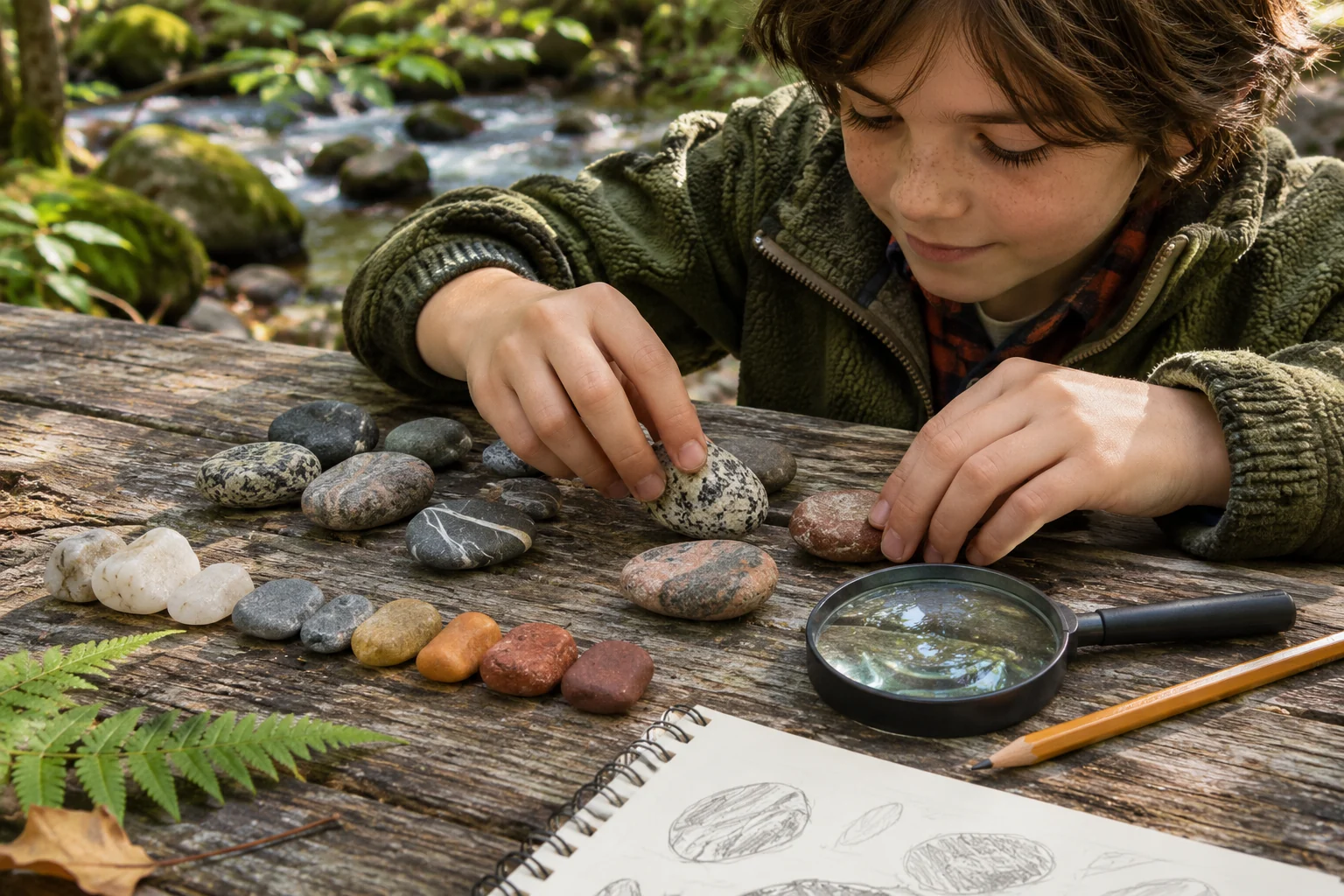
Help them examine and record the collection they have. A lens, labelled divided box and place notes can add more value than another bag of stones. For insects or protected locations, make the collection out of drawings and photographs instead of captured or removed objects.
On a small screen, scroll the table sideways to compare all columns.
| If they want to… | Consider | Before choosing |
|---|---|---|
| Compare textures and patterns | A hand lens | Comfortable grip and viewing |
| Keep permitted rock finds | A divided box with labels | Record the place and permission |
| Remember insects | A drawing or photo log | Leave animals where they are |
| Save a leaf memory | A sketch or permitted fallen leaf | Land rules and plant protection |
Useful options
What can I give besides a rock tumbler?
A hand lens, a storage box with labels or a looking-based scavenger hunt all extend the activity without a machine. They also help you learn whether the child enjoys finding, comparing, recording or displaying objects before choosing a more involved project.
These are researched options, not hands-on test winners. Check the linked maker’s current price, availability and instructions.
For looking beyond color
A hand lens for the existing collection
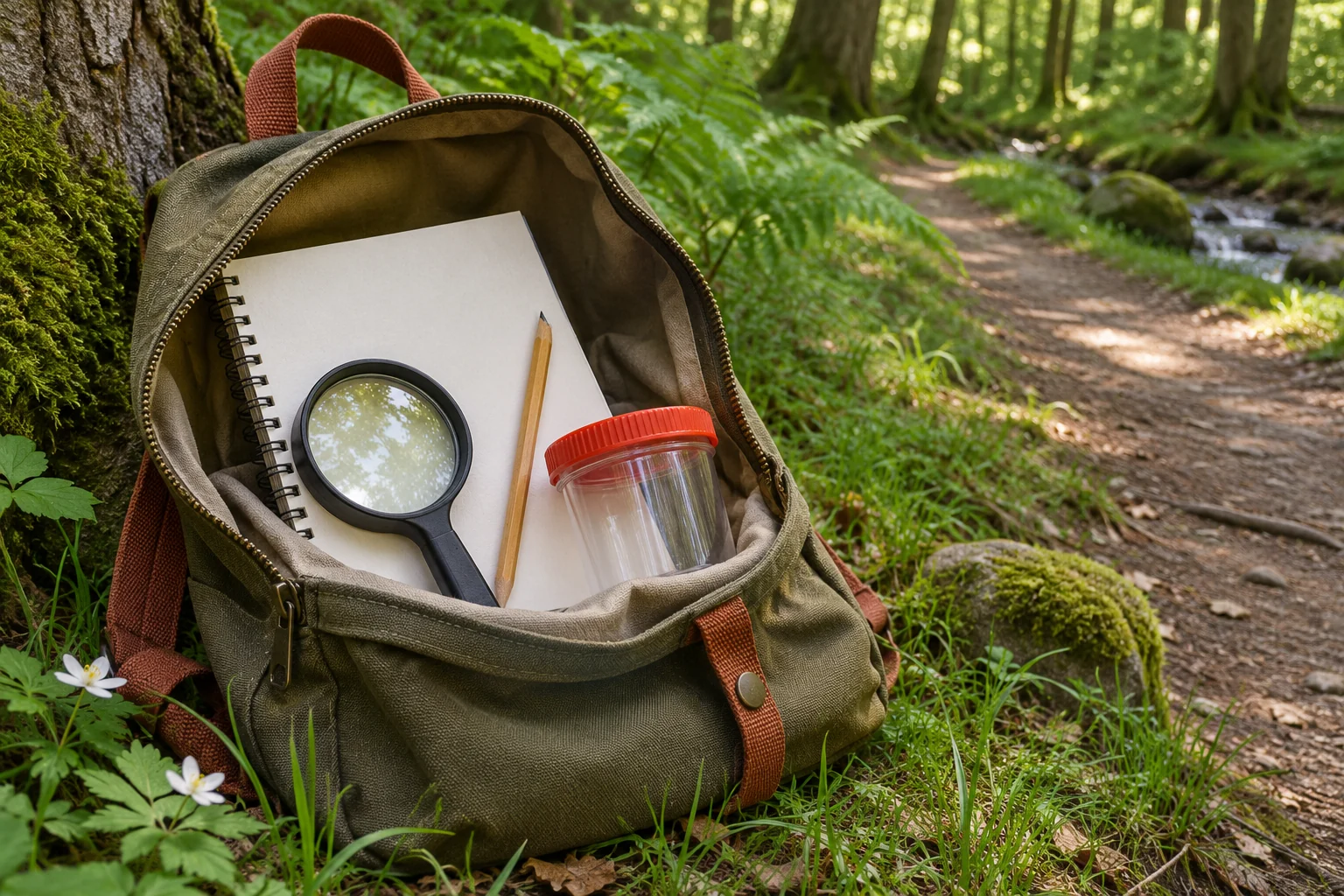
A handled lens lets the child compare surfaces without buying another bag of specimens. Try it with stones already at home.
Keep in mind Do not present a lens as a way to identify every mineral. Many specimens need context and additional tests.
HABA product exampleFor a collection with a record
A divided box and blank labels
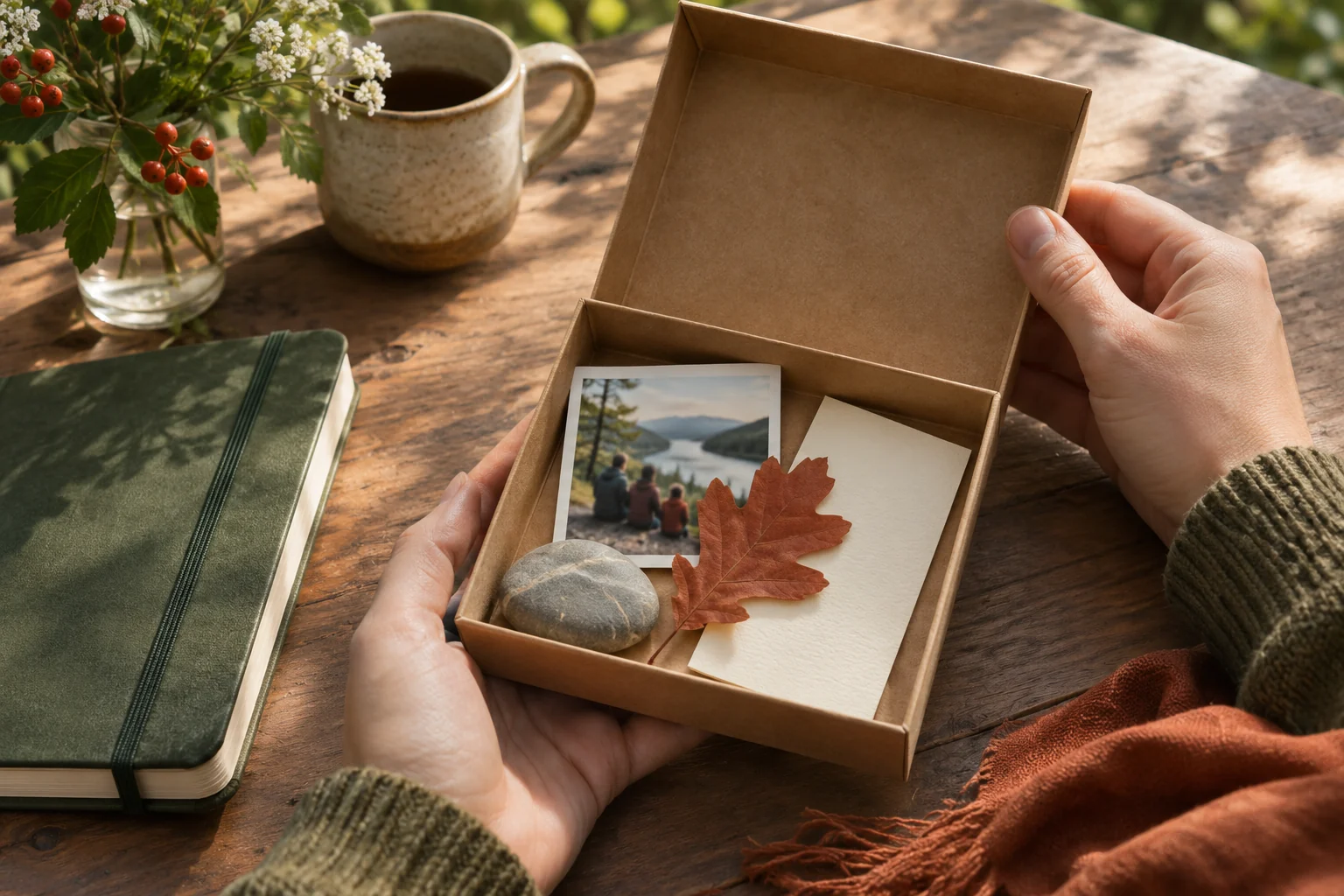
Choose compartments that fit the child’s actual finds. Add a place, date and observation to each label. A question mark is a perfectly useful identification.
Keep in mind Keep unknown substances, sharp finds and very small pieces away from younger children.
For collecting observations
NPS Junior Ranger rock scavenger hunt
Use a looking activity when rocks must stay where they are. The child can record shapes and textures without removing the object.
Keep in mind The activity is not collecting permission. The site’s rules still apply.
National Park Service activityBefore you buy
Is a rock tumbler the right next gift?
Only if the child and receiving adult want the process as well as the result. Check noise, workspace, cleanup, supervision and suitable materials in the current manual. A child who loves finding pebbles may prefer a better way to sort and remember them.
For more help choosing the tool itself, compare handled, stand and pocket magnifiers before buying a lens.
Try it together
Make a collection without taking anything
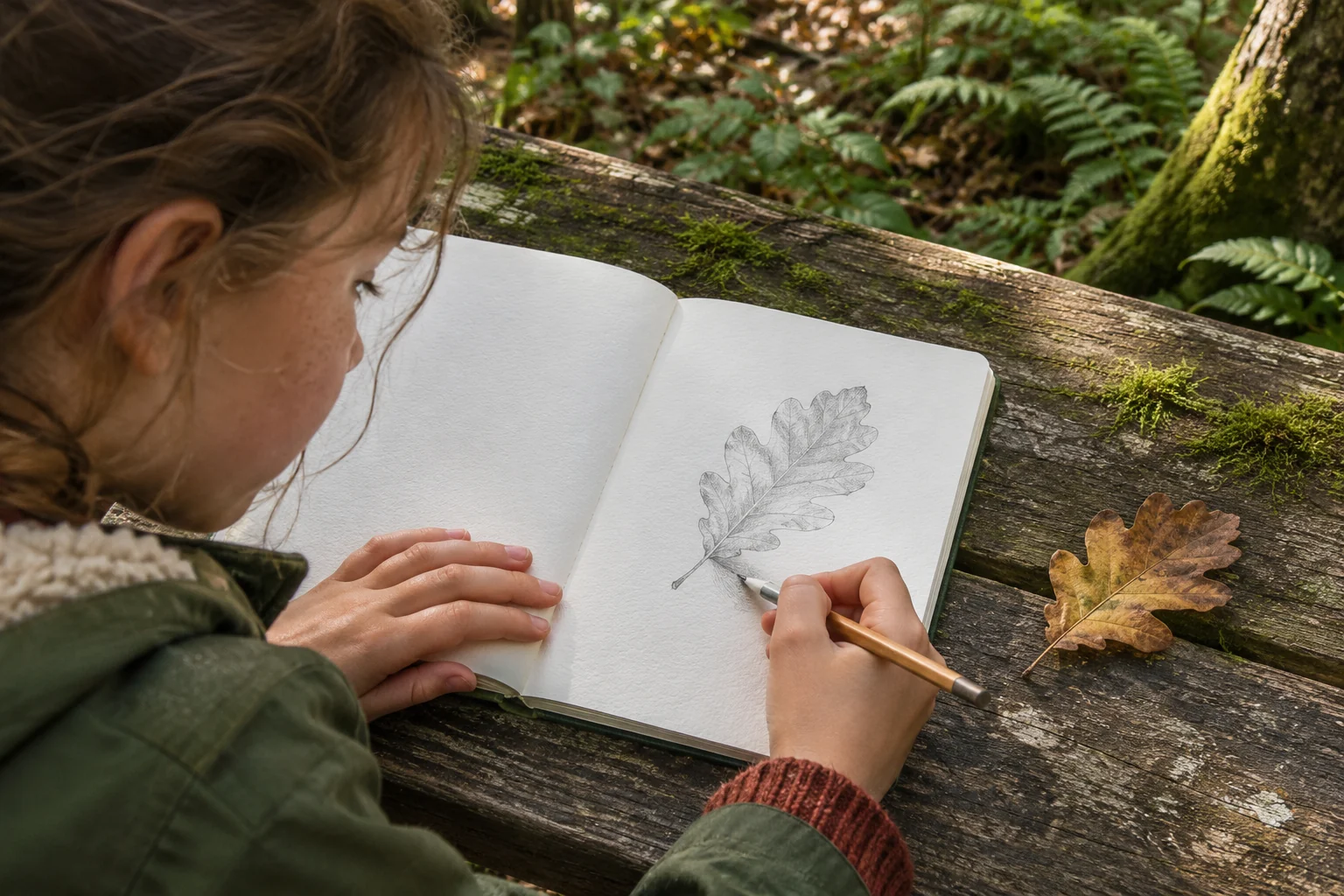
Find five different textures along a permitted route. Draw a small square of each and describe it with one word. Number the sketches on a simple route map. The collection comes home on paper.
A little more guidance
Common questions.
Can children collect rocks in a national park?
Do not assume they can. National Park Service guidance tells visitors to leave plants, rocks and other natural items in place. Check the specific site’s rules.
What can I give a child who loves insects?
Try a magnifier for watching insects in place and a notebook for drawings. A gift does not need to include capturing or keeping animals.
Sources & editorial notes
Published sources checked November 8, 2026. Recommendations reflect the uses and limitations described above, not a physical product test.