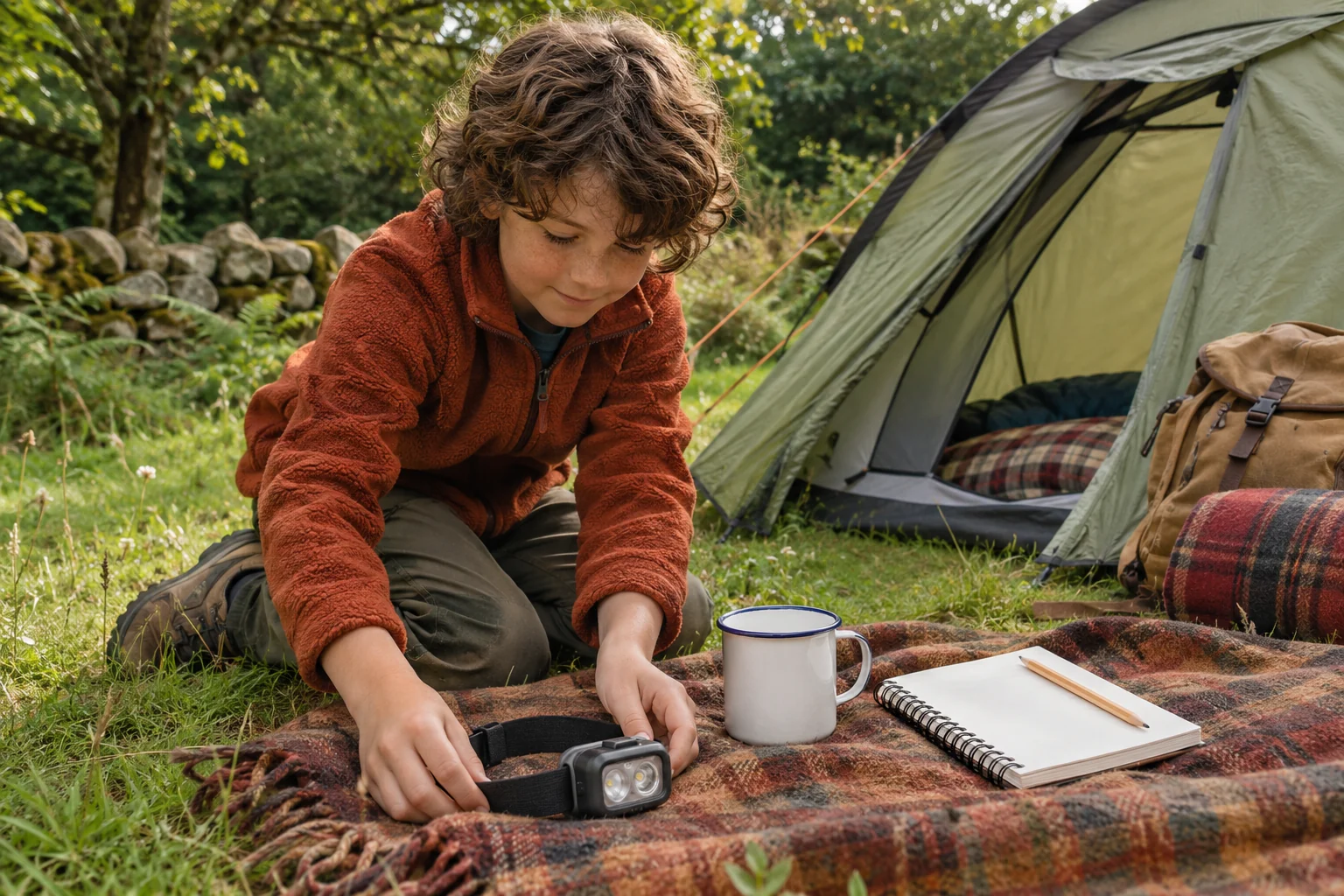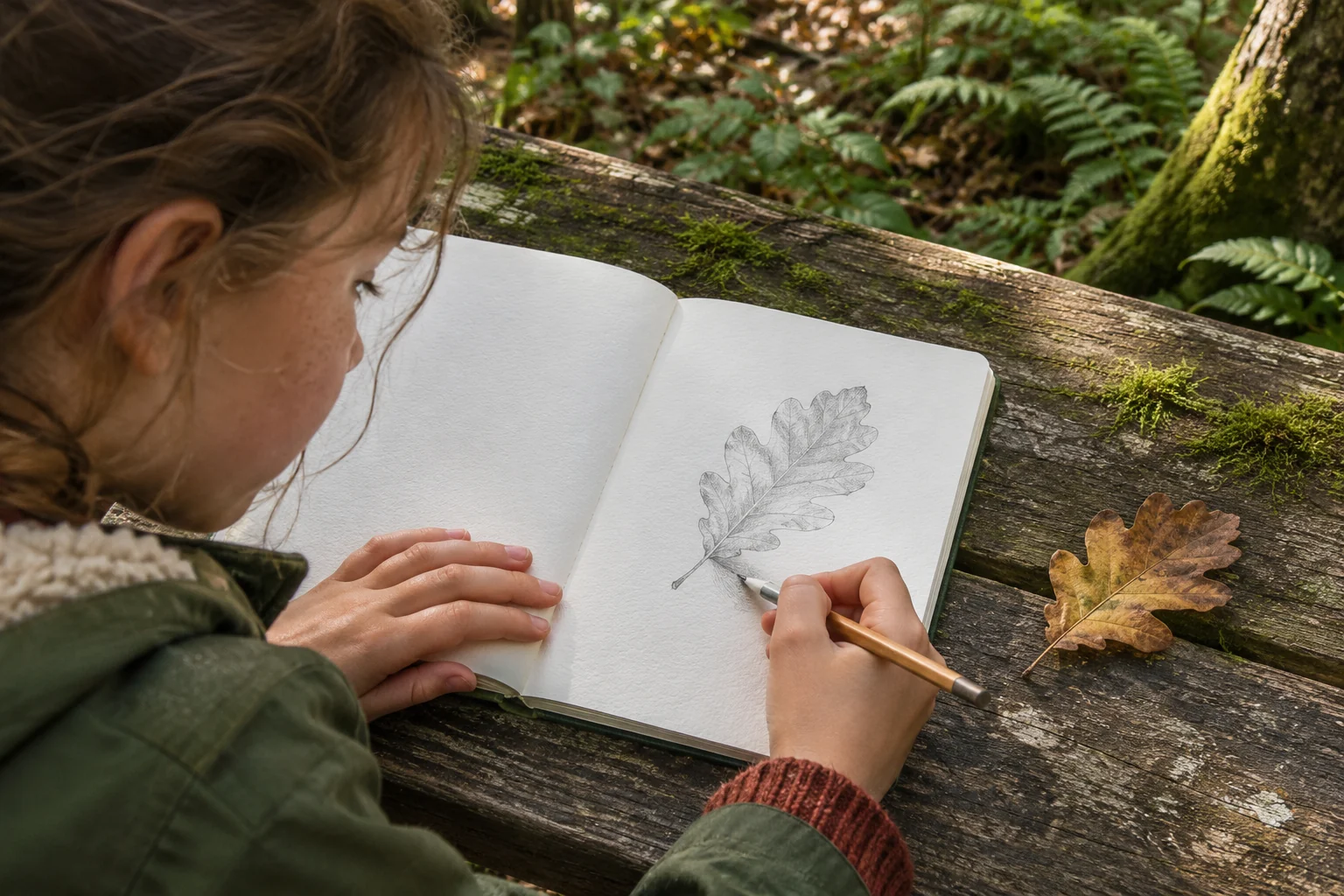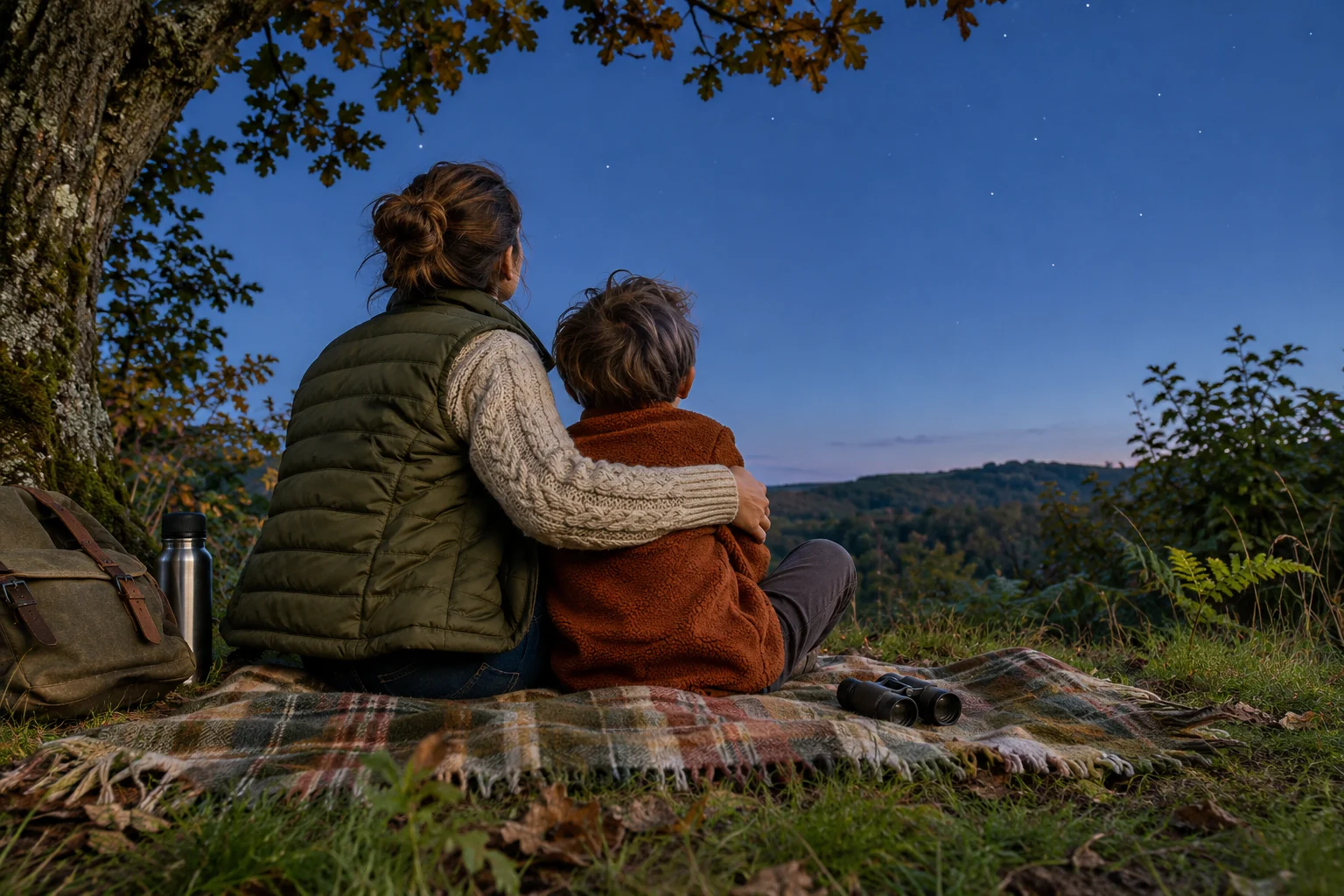
The short answer
Start with a short skywatching session, a notebook and help choosing something visible. Binoculars or a club visit can come before a telescope. Match the gift to the child’s bedtime, the local view and an adult willing to help use it.
A first astronomy gift does not need to turn a child into a telescope owner. Recognizing the Moon’s changing shape or finding a familiar pattern of stars can make the next evening worth looking forward to.
Choose the experience before the equipment. Ask where the child can see the sky, when the family can go outside and whether a local club offers a suitable public session. A telescope needs a stable setup and someone who can help find a target; a large magnification claim does not answer those questions.
Choose by use
Does a child need a telescope to start stargazing?
No. A Moon journal, a suitable star chart and a short adult-led session can begin with the unaided eye. NASA’s beginner guidance also discusses binoculars as a first observing tool. Try equipment at a public event or borrow it before committing to a telescope.
On a small screen, scroll the table sideways to compare all columns.
| If they want to… | Consider | Before choosing |
|---|---|---|
| Notice change over several evenings | A Moon notebook | A date and actual observation each time |
| Learn a pattern in the sky | A chart for the place and time | Hemisphere, location and date |
| Try a closer view | Borrowed or tried binoculars | Fit, steadiness and adult support |
| Use a telescope with help | A suitable club observing event | Age policy, weather and access |
Useful options
What can I give instead of a first telescope?
Give a record of what the child sees, an opportunity to try equipment with help or a planned skywatching visit. These choices reveal whether they enjoy observing, learning names or handling optics, which makes a later equipment purchase easier to judge.
These are researched options, not hands-on test winners. Check the linked maker’s current price, availability and instructions.
For returning to the sky
A Moon observation notebook
Use the changing shape as a reason to make several dated drawings. Record what is visible rather than filling a calendar from memory.
NASA source checked November 8, 2026: the new-Moon-to-new-Moon phase cycle is about 29.5 days.
Keep in mind The Moon is not visible at the same evening time every day. Check what the family can actually see.
NASA’s Moon phase explanationFor learning what a closer view involves
A binocular trial before an equipment gift
Try a pair the child can comfortably align and hold. An adult can help choose a suitable nighttime target and compare the unaided view with the view through the optics.
Keep in mind An astronomical image on a box does not describe the actual view. Never point ordinary optics at the Sun.
NASA: binoculars as a first observing toolFor a first look with experienced help
A public skywatching session
Ask a local astronomy organization about a public event. Wrap a handwritten invitation with the notebook, leaving room to change the date for weather.
Keep in mind Attendance, age policies and accessibility vary. Confirm them with the organizer rather than promising a particular planet or telescope.
NASA skywatching guidanceBefore you buy
What should I check before buying a child a telescope?
Check the setup, mount, storage, realistic targets and who will help operate it. Try a comparable instrument if possible. Choose equipment for the place and people using it, and keep all ordinary binoculars and telescopes away from the Sun.
Try it together
One view, two drawings
On a suitable evening, draw the Moon as it appears from a place chosen by the adult. Write the date and time. Look again on another evening and compare the shape and position. Keep optics stored away when they are not being used.
A little more guidance
Common questions.
Are telescope magnification claims a good way to compare gifts?
They are not enough. Setup, a stable mount, the actual view and an adult’s ability to help find objects are essential parts of the buying decision.
Can stargazing be screen-free?
Yes. An adult can prepare the target and conditions beforehand, then use a printed chart and notebook outside. Check the chart’s location and date.
Sources & editorial notes
Published sources checked November 8, 2026. Recommendations reflect the uses and limitations described above, not a physical product test.