The short answer
Start with one reusable tool, a notebook and a plan to use them together. Choose the tool around something the child already notices: birds, tiny creatures, interesting stones or changing leaves.
A good nature gift gives the child something to do on the next ordinary afternoon. A hand lens makes the garden worth another look. A notebook gives yesterday’s beetle a place beside tomorrow’s question. Neither requires a distant trail or an elaborate expedition.
For ages six to eight, begin with their habits rather than a box marked STEM. If they already bring you pebbles, choose a way to examine and label them. If they point out birds, try watching together before buying optics. The useful gift is the one that fits a real place and a willing adult.
Choose by use
Which nature gift fits a six- to eight-year-old’s interests?
Match the gift to an activity the child already repeats. A hand lens suits tiny details, a notebook suits drawing and a planned park visit suits a child who wants an outing. Reading confidence and the place they will use it matter more than a large accessory count.
On a small screen, scroll the table sideways to compare all columns.
| If they want to… | Consider | Before choosing |
|---|---|---|
| They inspect every small thing | A hand lens | Can they grip it and keep the object in view? |
| They like drawing and keeping lists | A plain or guided notebook | Enough drawing space; prompts they can use |
| They want an outing | A local Junior Ranger activity | Access, weather and the park’s current program |
| They ask what an animal is | A book to read together | Readable sample pages and local relevance |
Useful options
What can I give without buying a large nature kit?
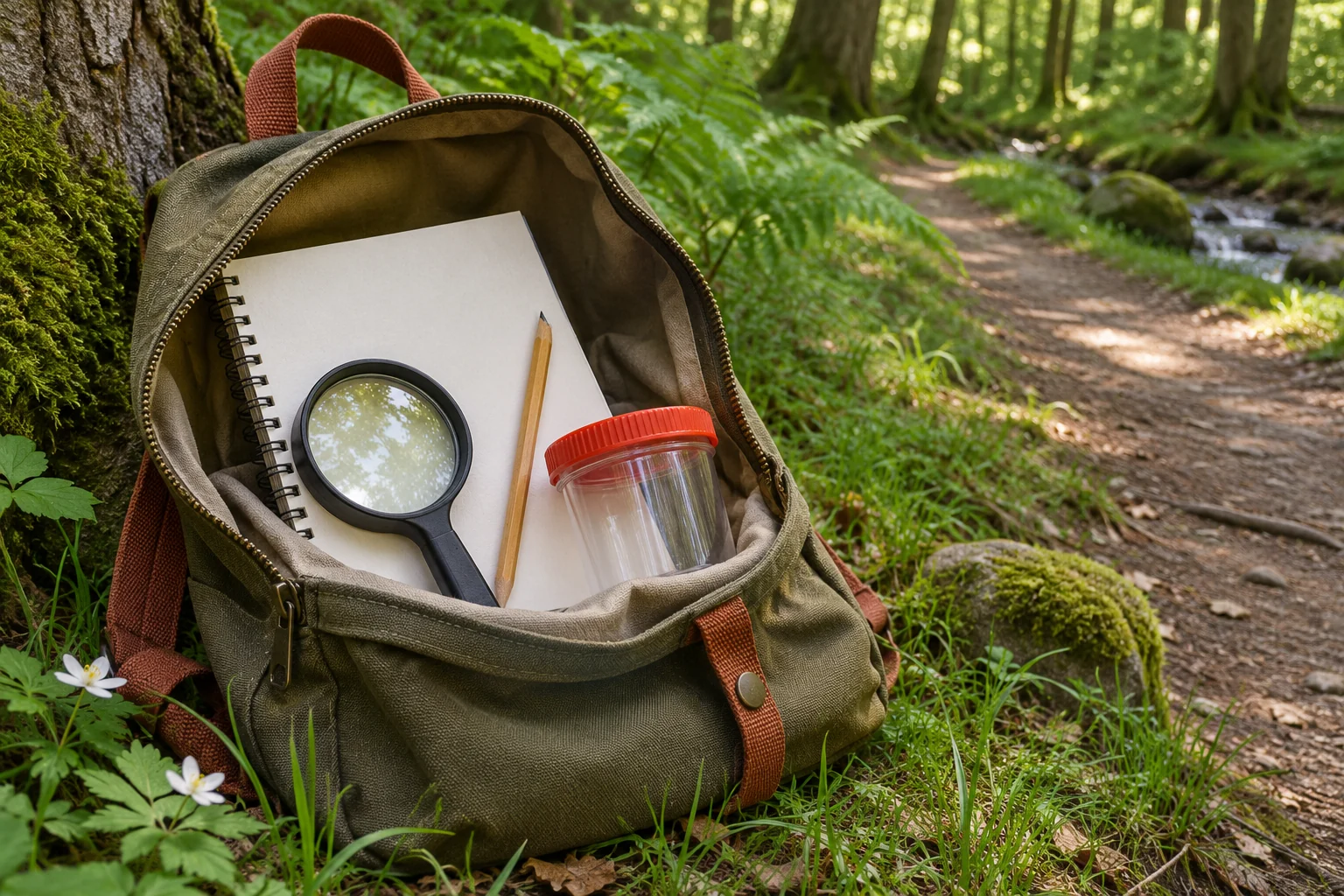
Start with a handled magnifier, a notebook or an activity booklet tied to a real visit. These can be used separately, so the gift can grow with the child’s interest rather than arriving as a set of tools they may never need.
These are researched options, not hands-on test winners. Check the linked maker’s current price, availability and instructions.
For close-up discoveries
HABA Terra Kids Magnifying Glass
A straightforward handled magnifier for examining textures, leaves and stones. HABA’s US listing gives an age of four and up, so it is a concrete option to compare for this age group.
HABA US maker label checked November 8, 2026: ages 4+.
Keep in mind A lens is for looking. Pack it away after use and keep it away from direct sun.
HABA product detailsFor drawing, lists and questions
A notebook the child chooses
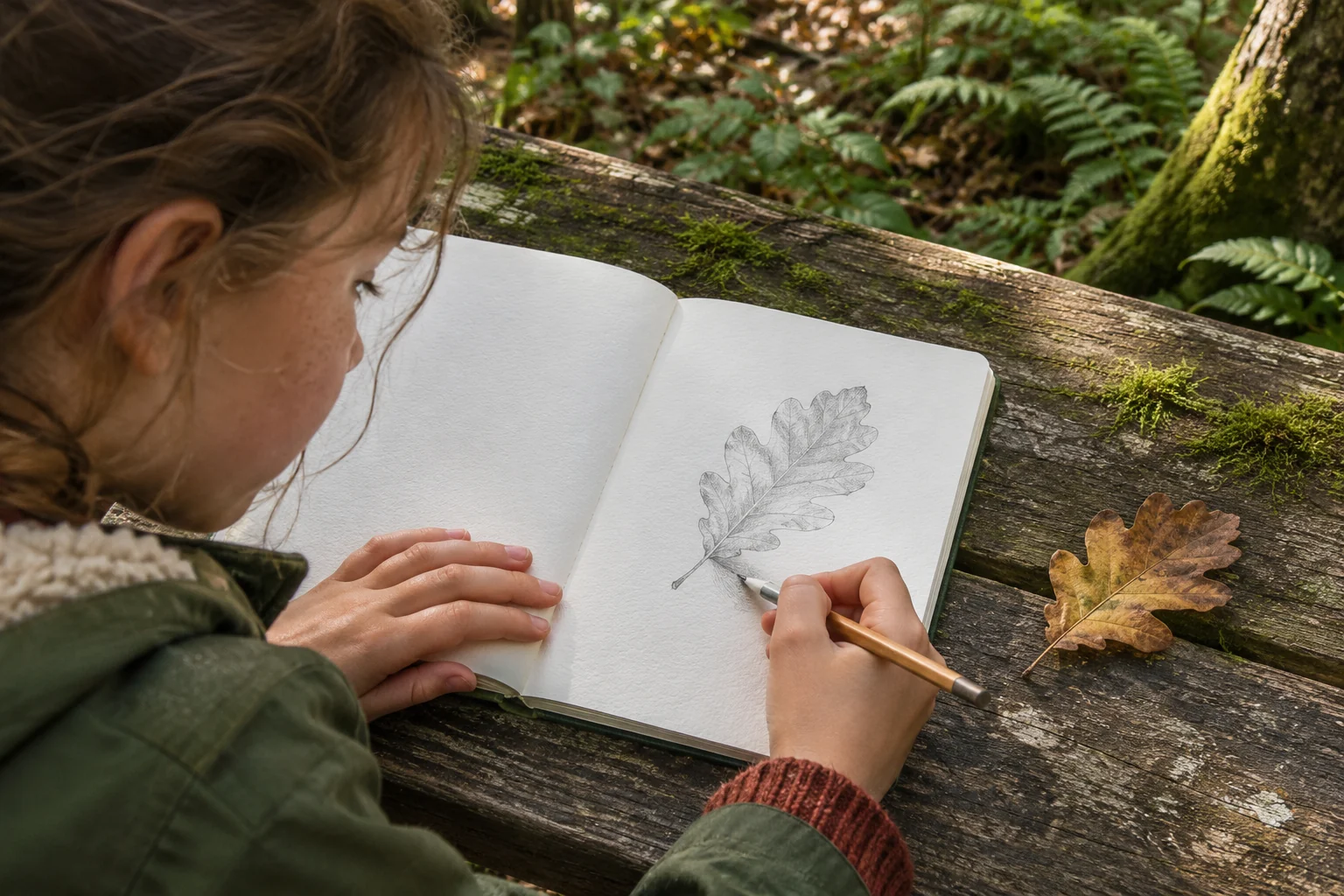
Let them pick the cover, then add a pencil and a few page tabs. Blank pages leave room for large sketches; lightly ruled pages help a child who prefers lists.
Keep in mind Watercolor and markers need paper suited to them. A notebook that works for pencil may not suit wet paint.
For a gift with an outing attached
National Park Service Junior Ranger booklets
Pick a program for a real visit, or browse the national-theme activities together. A printed booklet and a handwritten invitation can turn a small gift into a planned day.
Keep in mind Booklet availability, completion rules and rewards vary by program. Confirm them with the park.
National Park Service programsBefore you buy
What should I check before buying a nature gift?
Check the maker’s age label, the child’s ability to use the item and a specific place to try it. Ask who will help, where the tools will be stored and whether the activity requires permission. A useful first outing is a better buying guide than a claim on the box.
Choosing for a younger child? See our nature gifts for four-year-olds for simpler first tasks and current maker age guidance.
Try it together
The five-minute noticing walk
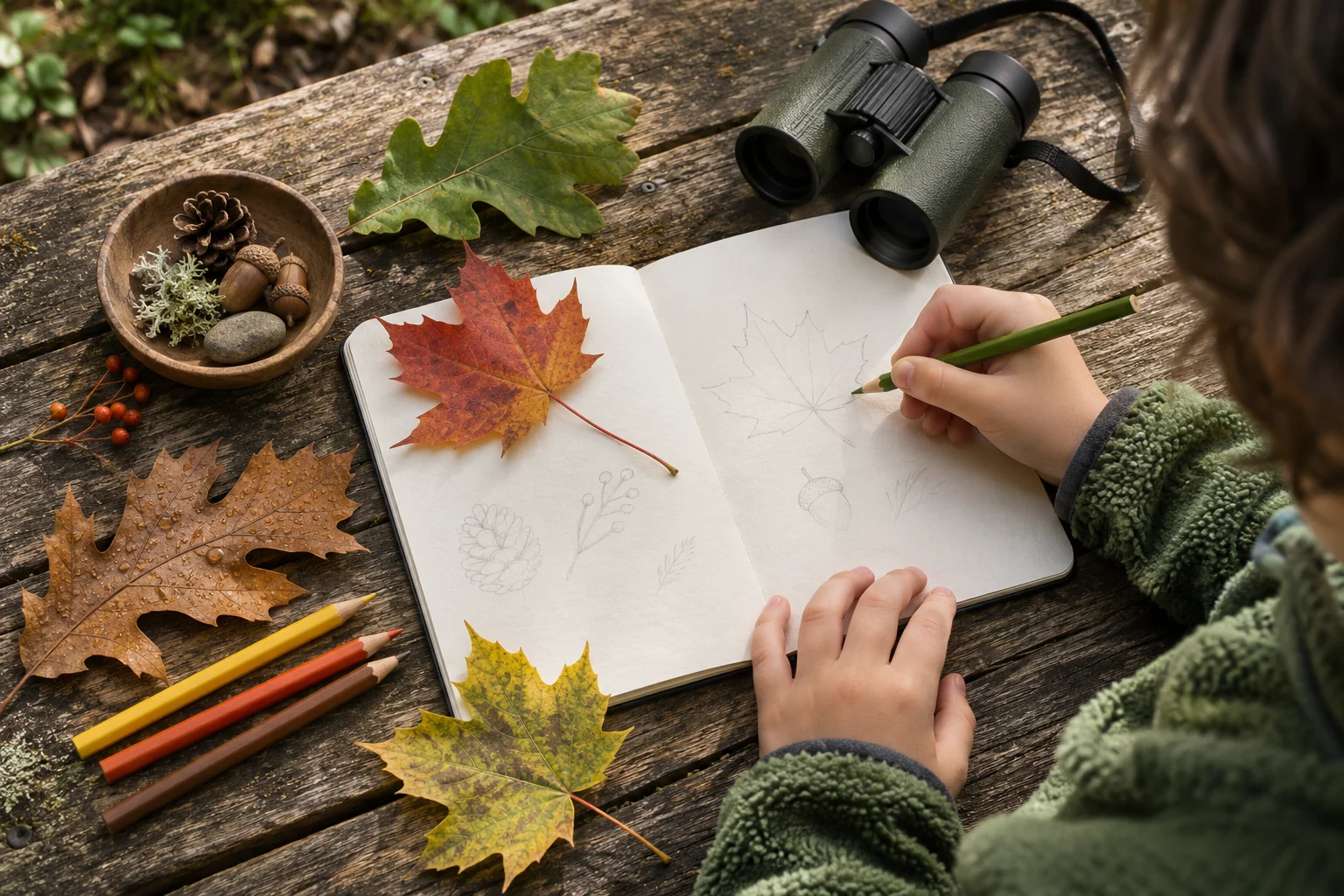
Walk a familiar short route. Each person chooses one thing they have never stopped to examine. Sketch it, describe its texture and write one question. Leave plants, rocks and wildlife where you find them unless local rules explicitly allow collecting.
A little more guidance
Common questions.
Does a nature gift need a full exploration kit?
No. One useful tool and an adult who will help use it can be a better fit than a large set of loosely related accessories.
What if the child does not enjoy long walks?
Choose a seated activity: sketch the same tree from a window, compare permitted finds at a table, or listen for birds from a park bench.
Sources & editorial notes
Published sources checked November 8, 2026. Recommendations reflect the uses and limitations described above, not a physical product test.